A program of images and video by Laverne Waddington on
AN INTRODUCTION TO WOVEN STRUCTURES USED IN SOUTH AMERICAN TEXTILES.
Simple looms do not necessarily mean simple textiles. Weavers in South America use rustic looms to create complex cloth employing a wide variety of techniques using complementary-warp structures and both supplementary warps and weft. Even plain-weave textiles are not in any way ‘’plain’’ when incorporating ikat or finished with intricate knotted fringes, colorful joining stitches and tubular edgings.
In this program Laverne will walk you through some of the various woven structures she has encountered while learning to weave in South America, share stories about her experiences learning them and show examples of how she has used these in her own work on the backstrap loom.
Laverne Waddington has been learning to weave on simple looms with indigenous teachers in South America since 1996. In her home in Santa Cruz, Bolivia, she draws on ethnic design influences from around the world to create pieces on a backstrap loom using the various techniques and structures she has studied in South and Central America as well as with backstrap weavers from Vietnam and Myanmar.
Since 2010, she has published eight instructional manuals on the various woven structures and finishing techniques that she has studied and produced a dvd on Operating a Backstrap Loom.
Her articles on backstrap weaving and indigenous textiles have appeared in Handwoven magazine. Shuttle, Spindle & Dyepot and Spin Off as well as in the published proceedings of the 2012 and 2016 Braid Society conferences.
She has shared her skills and experiences with many visitors to Bolivia over the years and now reaches a global audience with her weaving tutorials and travel tales on her blog. She provides online advice and support to weavers through forums such as Ravelry and teaches and speaks at guilds and textile conferences around the world.
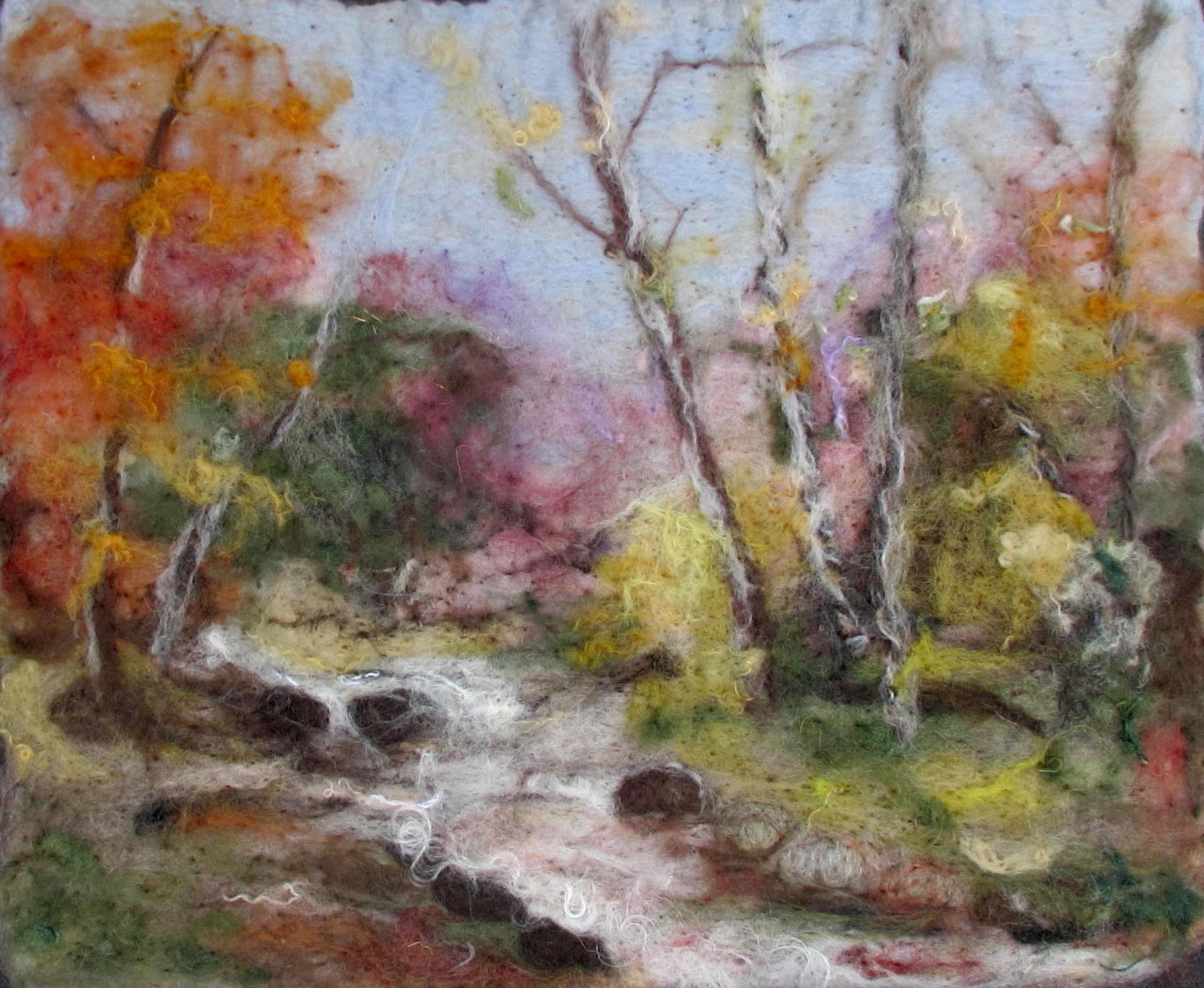
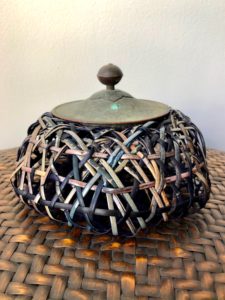 Black Sheep member Barbara Shapiro will share the productive burst of artistic output inspired by moving her studio in January 2020 and by current personal and political events. The sequestration that Covid forced upon us all brought forth lots of new work in several series. Unfinished and abandoned projects from years ago were seen with new eyes and finally finished. Newly discovered materials inspired different ways of working. And as always, Indigo colored her materials. Barbara hopes to inspire you to look at your own work in new ways as you enjoy this saga of 20-21 in her studio in the time of Covid.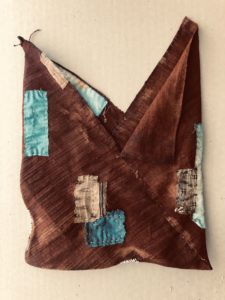

 Twills are one of the most versatile weave structures and the possibilities are amazing! The breadth of weaving twills can be a bit daunting, but so much fun! In this program, Robyn will cover the basics from straight draw and point twills and then move on to broken, undulating, M&W, Dornick, plaited, and turned twills.
 Are you a member of that illustrious “full-size sample” club, feeling guilty that you should have sampled first…but there wasn’t enough time, yarn, or money available, and you were sure your weaving software would figure out everything for you? Listen up! The aim of sampling is to acquire information, not cause guilt or pain! Stop treating sampling as a dreaded disease – sampling IS weaving and can significantly improve your textiles.